
Putting Surveyors Back at the Centre of Reality Capture

As reality capture technology becomes increasingly accessible, industry conversations have often focused on speed, automation and tools. While these advances bring clear benefits, they can sometimes overlook the professional expertise required to ensure accuracy, control and trust in geospatial data. A new joint article from The Survey Association and Leica Geosystems, Guardians of Precision: the […]
One version of the truth – Asset Registers
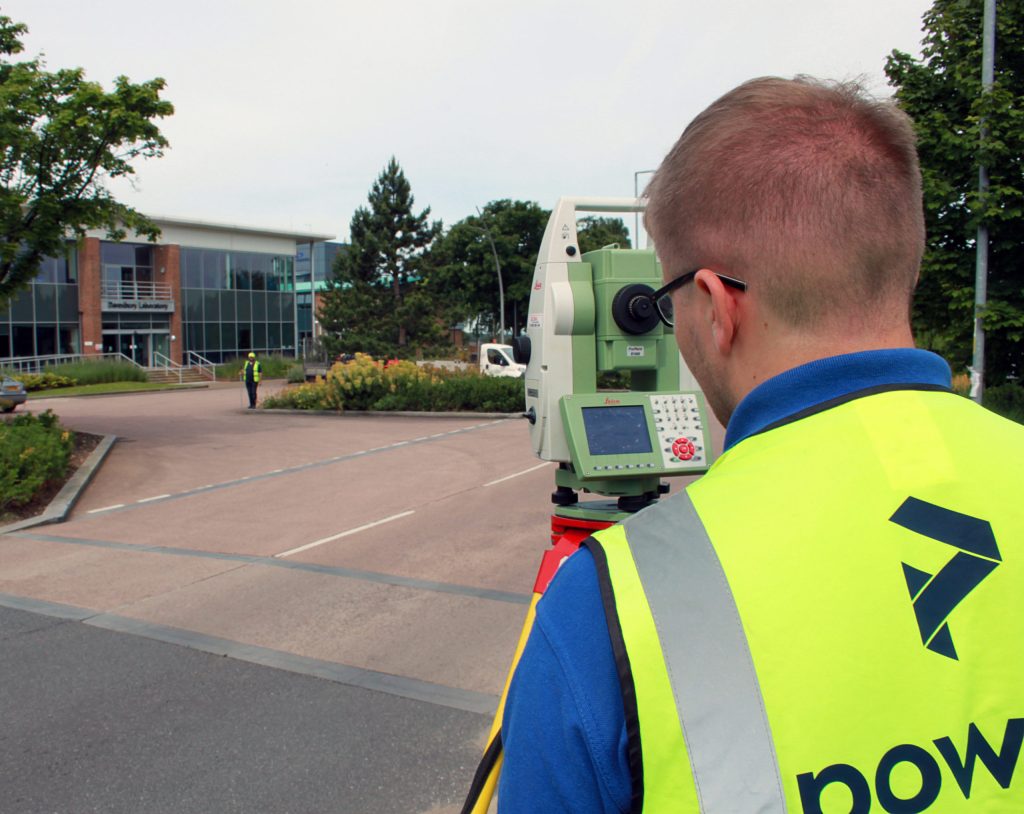
An asset register ensures that all estate management information is held in one place. Asset registers are inventories and collated data of owned assets. Their main users are local councils and authorities, and affiliated estate or land management companies. Essentially, the property asset register is a list of council-owned land and buildings. It also contains details of properties in which the council has an interest, such as academies and church schools, but doesn’t include housing stock properties.
NUAR – what is NUAR and what does it mean for underground utility detection?
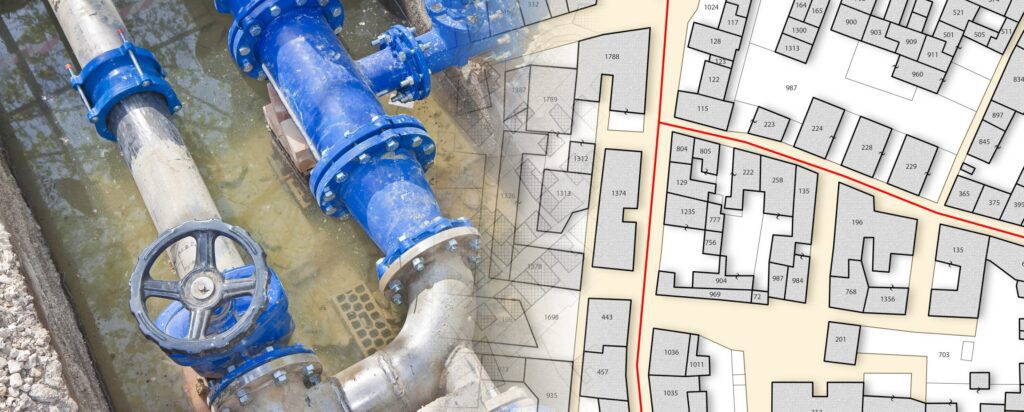
Underground assets The National Underground Asset Register (NUAR) is a government-led programme that is delivering a new digital map of our underground environment. A large proportion of our utilities are buried underground, as well as building and transport infrastructure, such as chambers or tunnels. This includes around four million kilometres of pipework, sewer runs, and […]
To infinity (and beyond): aerial drone surveys

The sky’s the limit Drones are robotic, flying remote controlled craft fitted with cameras and onboard data gathering equipment. They are also called Unmanned Aerial Vehicles or UAVs. Drone surveys can be useful for land surveying and cartography, urban planning and development, construction and planning, environmental studies and research, and volumetric measurement. They’re an excellent […]
As-built surveys – a useful aid to facilities management

A comprehensive overview Facility managers – contractors who maintain and oversee large, often multiple occupancy or use buildings, such as apartment blocks, schools, chemical or manufacturing plants or offices – can use the data provided in as-built surveys to ascertain areas of concern or to aid renovation, inspection, audits or planned changes. Facilities managers rely […]
Defining the constraints: Surveys for guidance reports
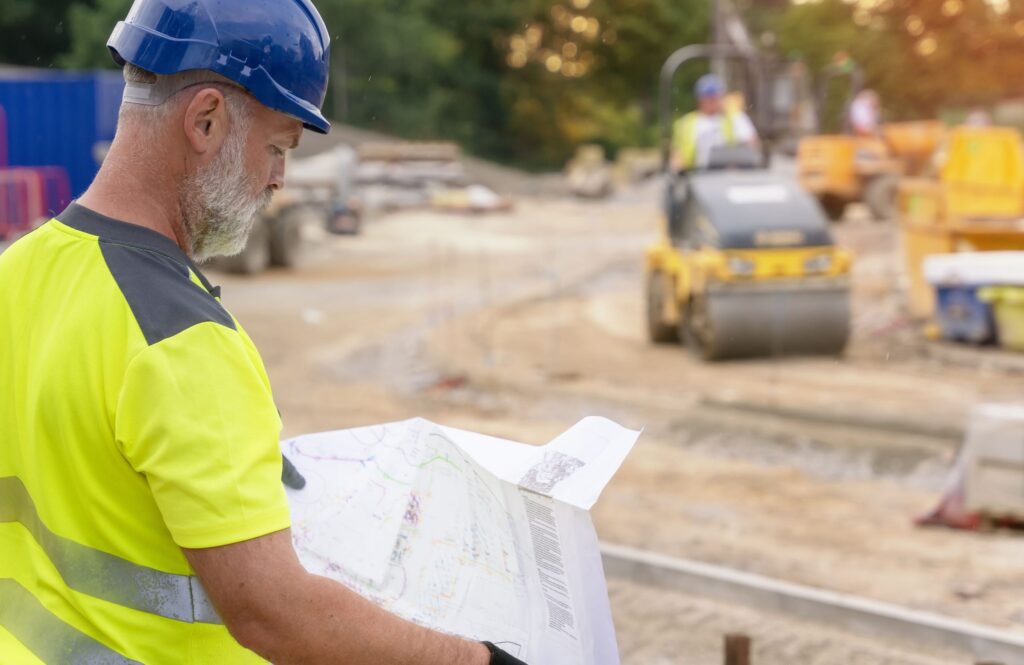
Identifying constraints Constraints are any features that can influence the location of the project. Specific examples of constraints include existing infrastructure (such as roads, railways, underground services and access and egress issues), archaeological and heritage sites (including national monuments), elevated topographic details (such as mountains and hills), bodies of water (like rivers and lakes) and […]
CCTV drainage surveys – exploring and assessing beneath the surface
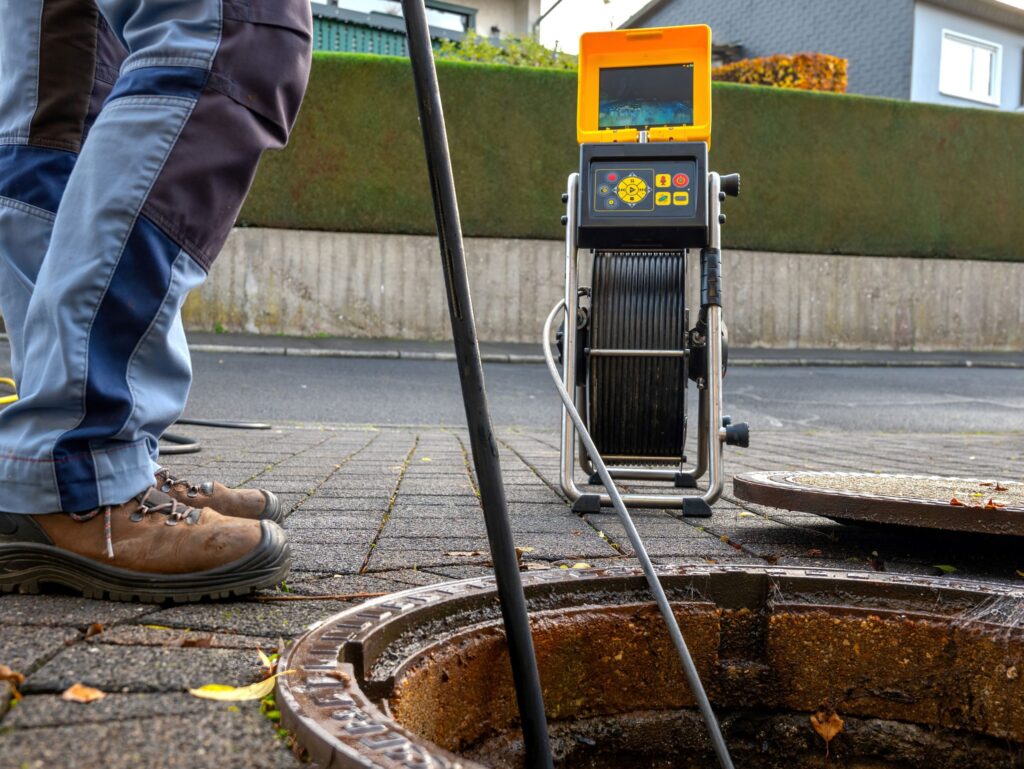
CCTV drainage surveys: an underground overview Usually, a CCTV drainage survey is done by sending a portable, navigable camera along the drain network. When CCTV surveys are requested, there’s usually an inkling of a problem. In most cases, the drain will be blocked or there will be some reason why the camera can’t get down […]
Back to basics: How to choose your setting out partner
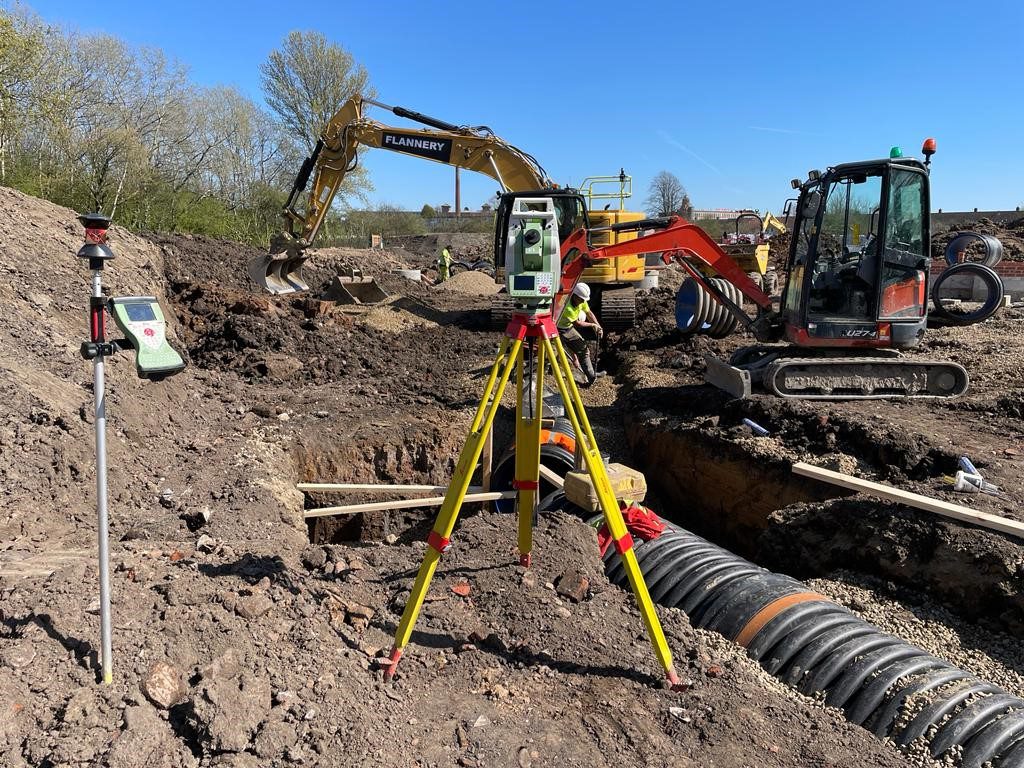
Choose someone who has the time to do the job when you need it done. This may sound obvious, but you don’t want to be engaging someone to carry out a contract, only to find that they make a rush job of it, or haven’t sufficient time, enthusiasm or inclination to provide a professional […]
Setting out for construction – the importance of accurate measurements

Accuracy essential in setting out With any discipline that involves dimensions, a very high degree of accuracy is essential when setting out buildings or infrastructure projects. Digital equipment and data recording allows little margin for error. Our professional site engineers ensure that all setting out is carried out with precision and efficiency, using a combination […]
Apprenticeships: Surveying your future direction
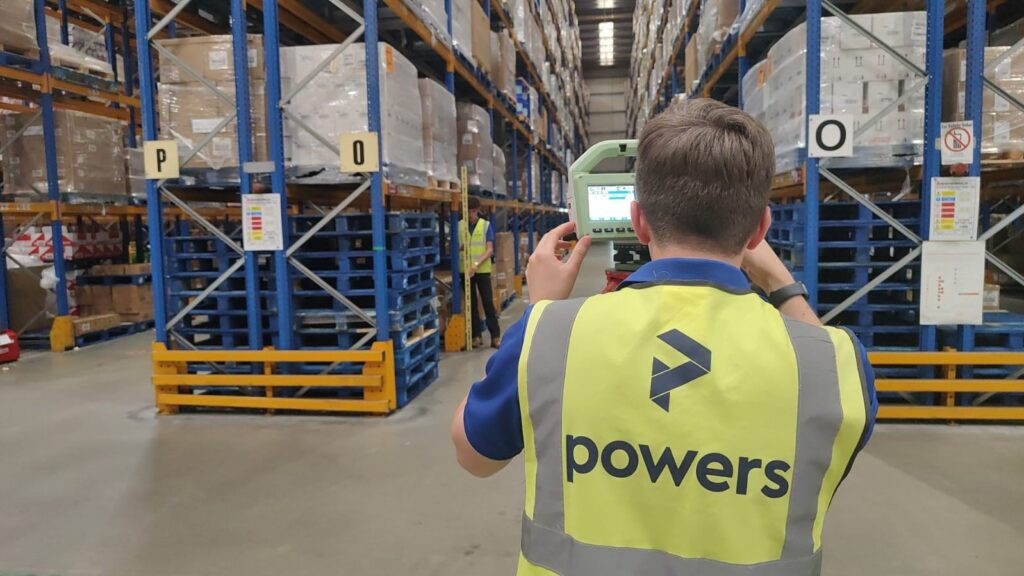
Skills for life One avenue into the profession is apprenticeships and National Apprenticeship Week (NAW) is a great vehicle for highlighting a multitude of careers to prospective candidates. This year’s event runs from 5-11 February and is the 17th annual celebration of apprenticeships. The week brings together everyone who is passionate about apprenticeships and celebrates […]