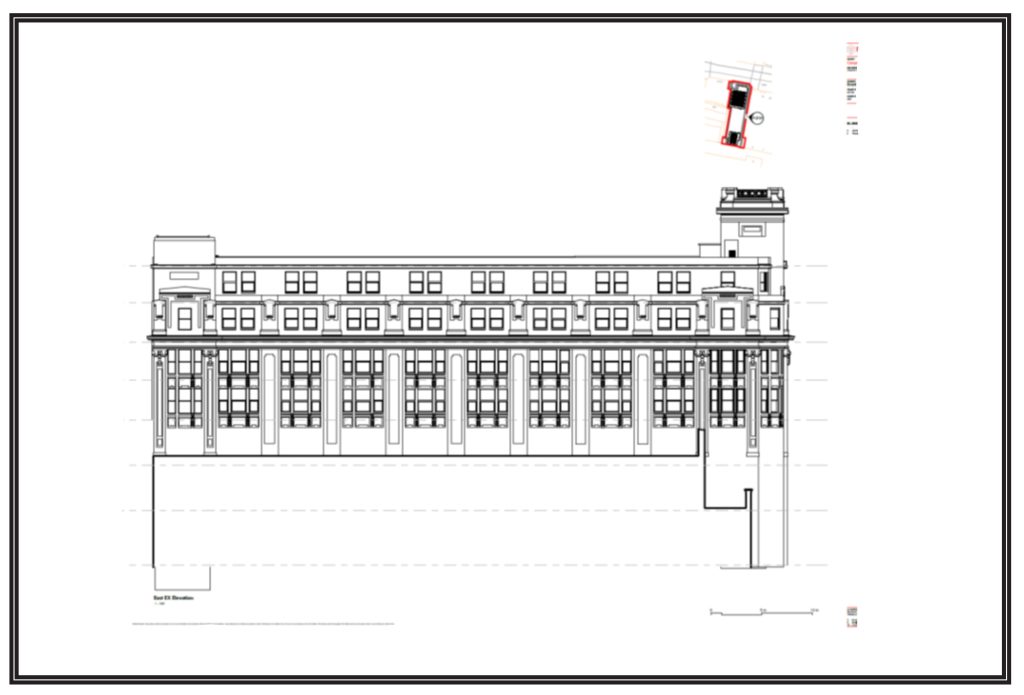
Measured building survey to produce Level of Detail (LOD) 300 Revit model to aid the design of new hotel in Liverpool city centre
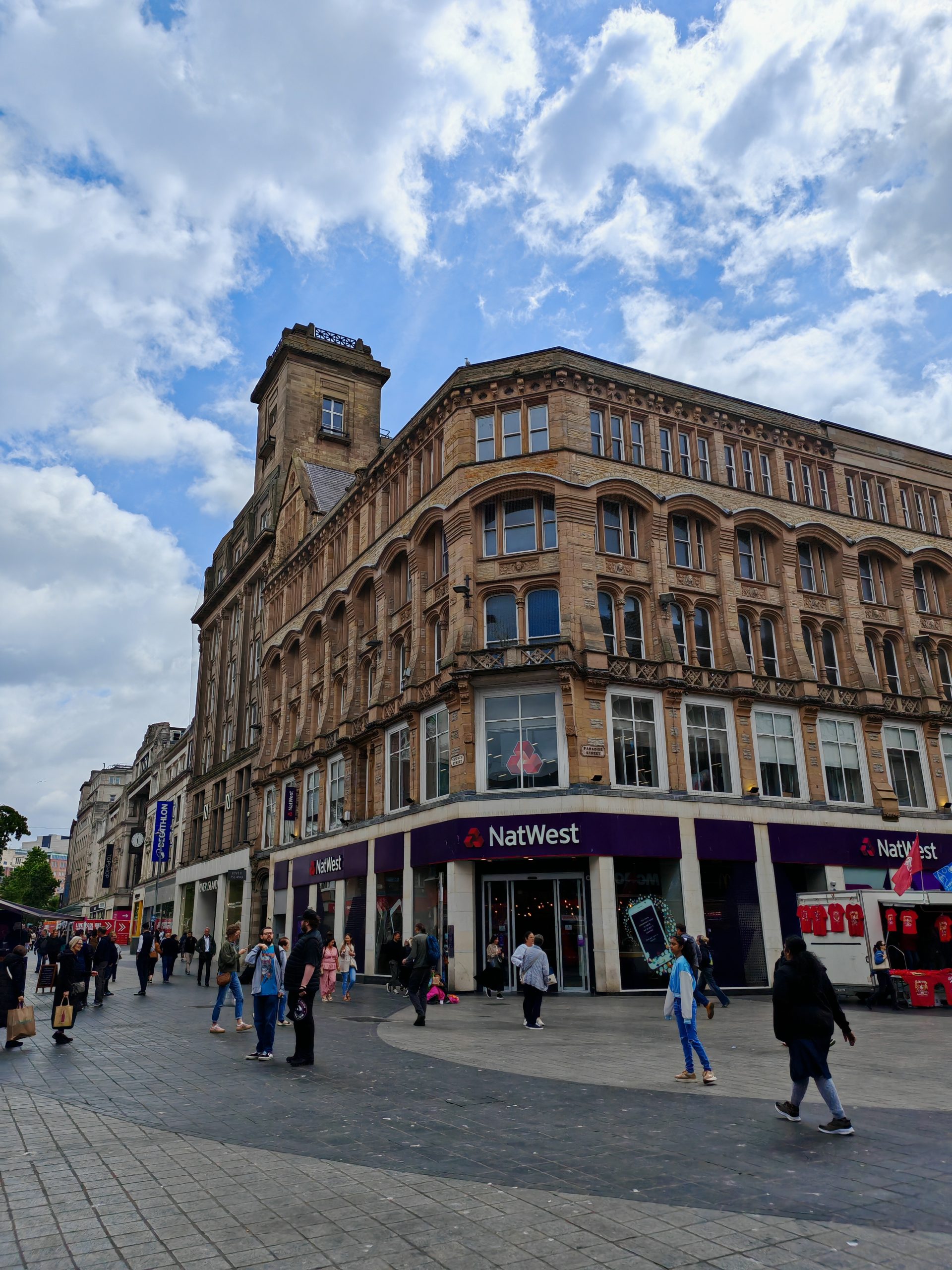
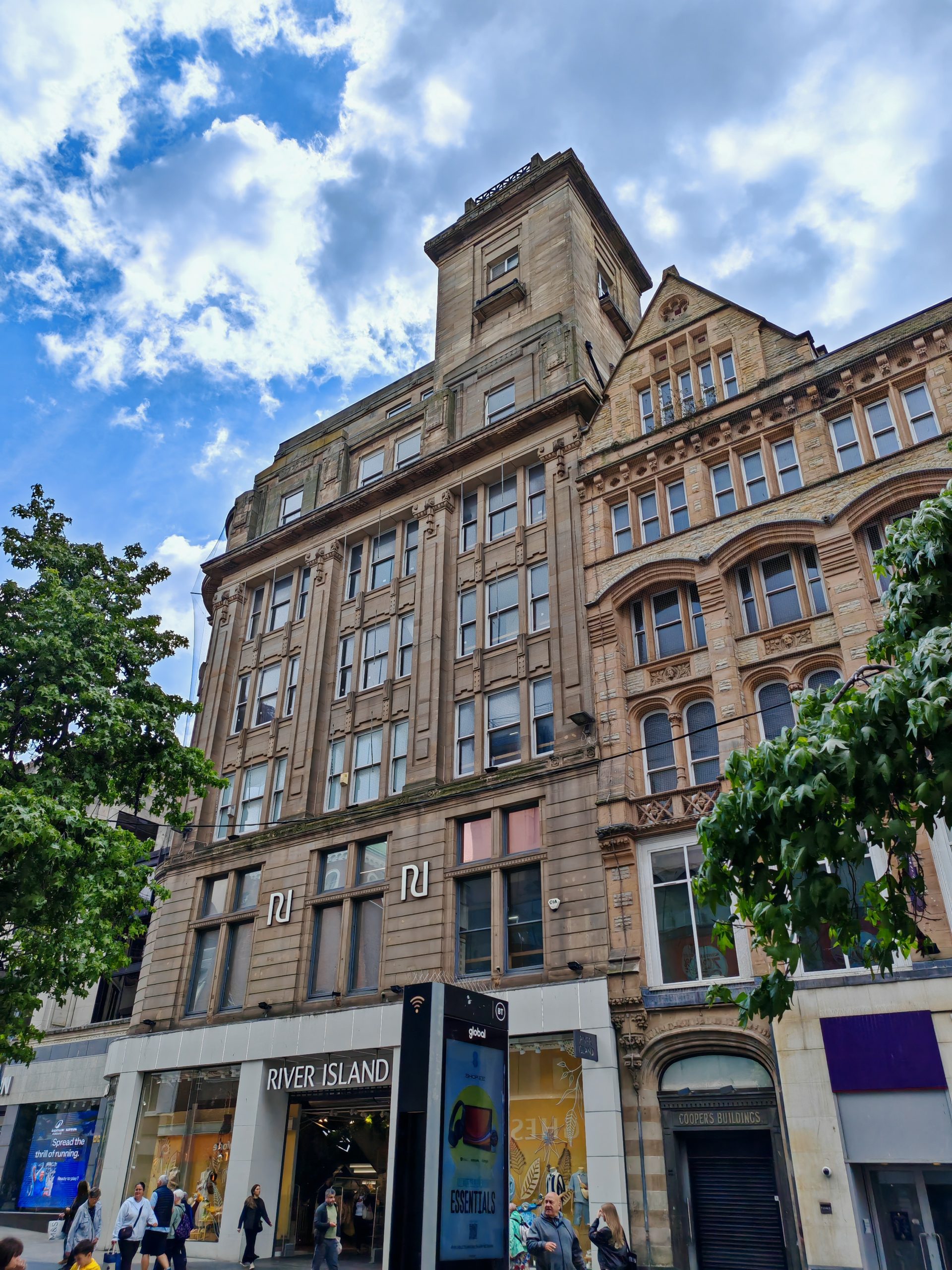
Located on Church Street in Liverpool, Coopers Building is a striking early 20th century sandstone building. The lower floors of the building house high street retail. However, hotel chain Libere has bought the third floor upwards to convert into a luxury hotel with a new build rooftop restaurant. NC Architecture, the architects practice working on the project, required a co-ordinated design-stage Revit model (reflecting accurate design geometry without fabrication detail or full asset information) to enable it to design the plans to convert Coopers Building from its previous residential usage to the new hotel and restaurant.
Client name:
NC Architecture
Sector:
Hospitality
Deliverables:
Measured building survey
LOD 300 Revit model, including floor plans, elevations and sections
Client requirement:
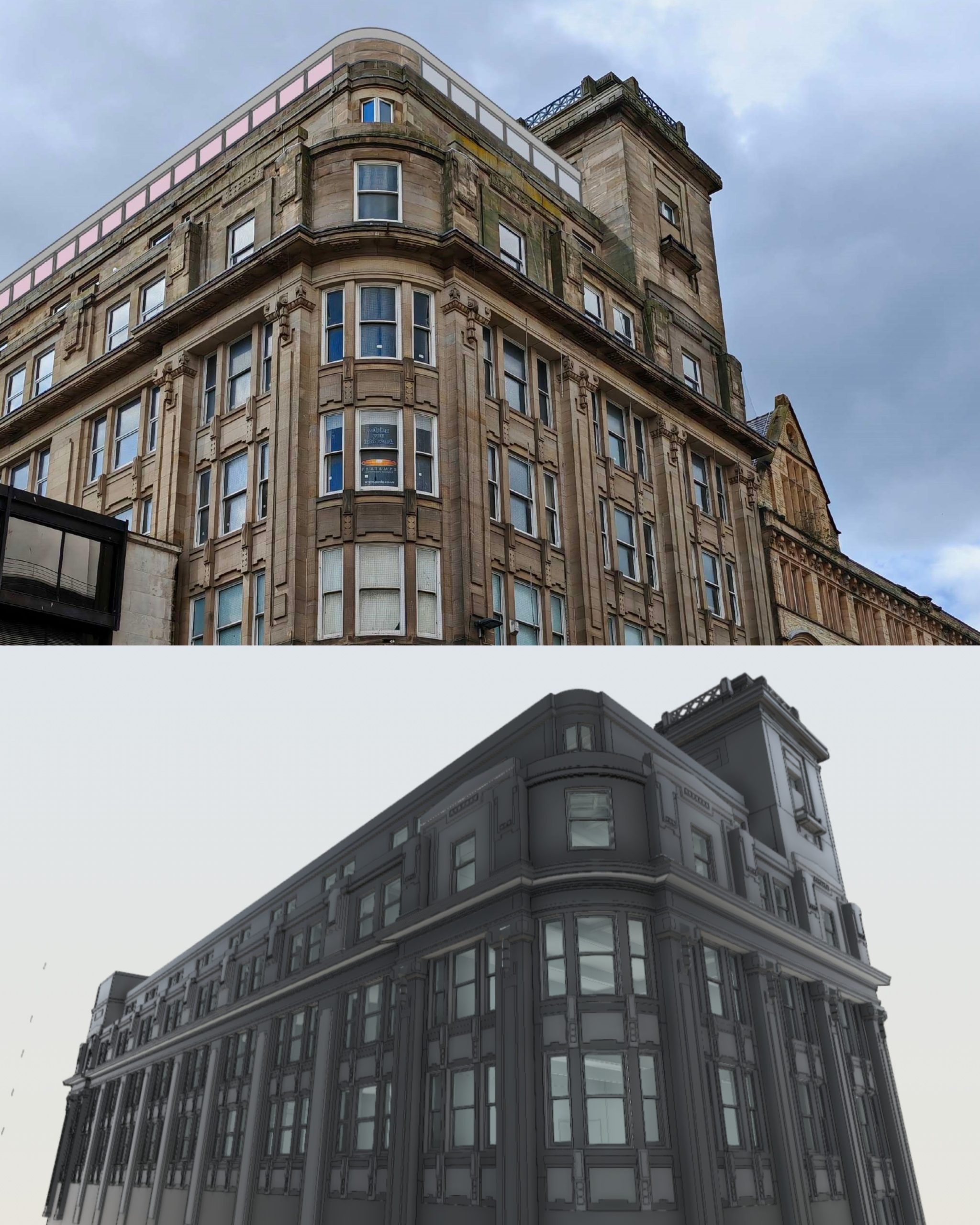
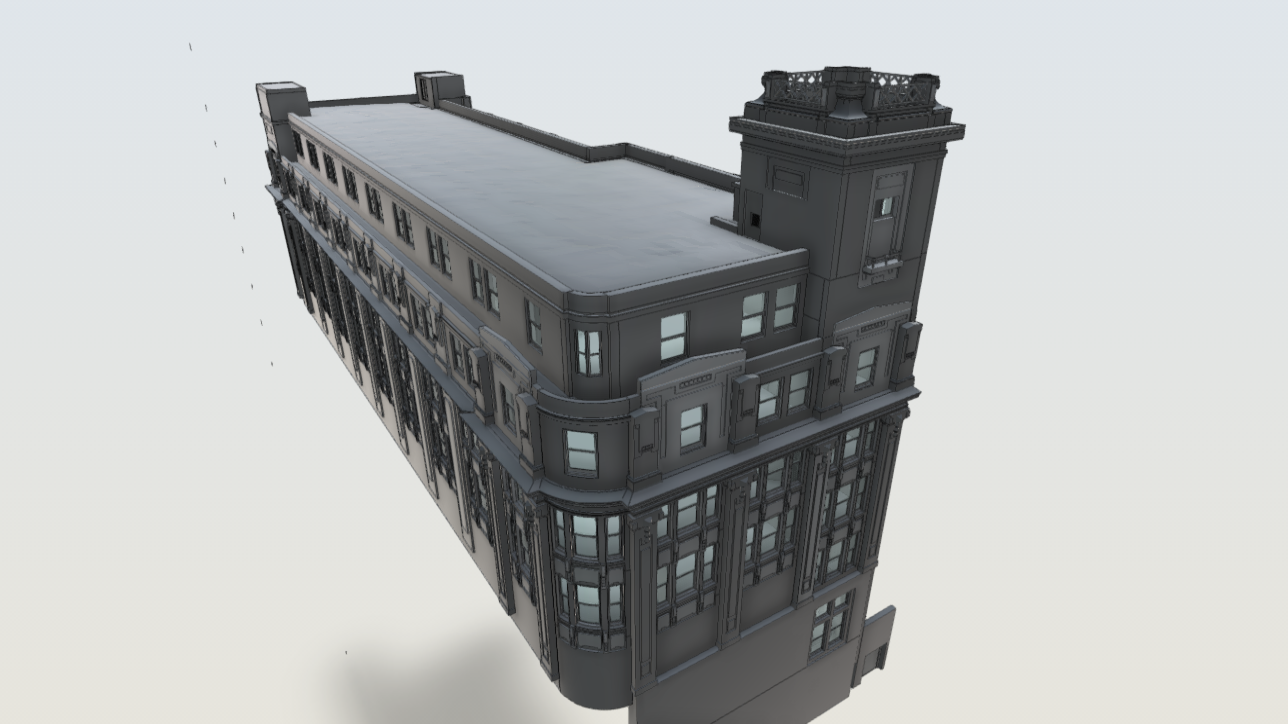
Powers was commissioned to carry out a complete measured building survey of the building, the data of which was then used to create the LOD 300 Revit model. The Revit model at this level of detail is used as a ‘base’ model onto which NC Architects could apply their project design ideas, which was required as part of the planning process. The data contained within the model was used to shape the plans submitted for planning approval.
What is typically included in an LOD 300 Revit Model?
Geometry is accurate in size, shape and location
Major elements are present (walls, floors, roofs, doors, windows, primary structure, main MEP routes).
Detail is limited – components aren’t modelled to fabrication or installation level.
Information is partial – enough for coordination and clash detection, not enough for procurement, fabrication, or FM.
Some elements may be generic rather than manufacturer specific.
Not everything in the building will be modelled unless the client specification explicitly requires it.
An LOD 300, sometimes referred to as a Level of Information (LOI) 3, Revit model is a design-intent coordination model with accurate overall geometry and basic information, suitable for design review and clash coordination but not complete enough for fabrication, installation or full asset use. An LOD 300 Revit model is the standard model provided by Powers to its clients ready for designs to be added to it.
Outcome:
The accurate detail within the Revit model, including the floor plans, elevations and sections, enabled NC Architecture to progress quickly with the plans and submit them to Liverpool Council for approval. The model also provided a useful base that enabled the architects to design a project that was in keeping with the local area, and more specifically, the requirements of the building itself from a heritage perspective.
The majority of the plans represented sympathetic refurbishment, with few changes being made to the external façade, apart from replacement windows. However, the rooftop restaurant was a new build, which had to work within the constraints of a heritage property. A light touch approach was also taken with the internal design, ensuring that the plans featured the existing historic elements of the building, including the tiled walls and floors.
“We have worked with Powers previously and have been pleased with the survey data the company has provided. Its pricing is competitive, and the team turn the work around quickly, which means we can progress with the design, safe in the knowledge that the information provided will be timely and reliable.
“With this project, the Revit model included a huge amount of information, including floor plans, elevations and sections – and the data was fully coordinated, so it didn’t need stitching together. This level of accuracy and detail is so important to us as it saves us a lot of time, meaning the project can progress quicker.”